编制主体
本报告由赤峰中色锌业有限公司编制,为了便于表述和方便阅读,在本报告中也以“中色锌业”、“公司”或“我们”指代。
编制范围
本报告包括公司矿产供应链尽责管理体系、风险识别与评估、风险预防和缓解、内外部评估、报告等尽责管理步骤内容。通常情况下,尽责管理报告涵盖12个月的相关信息和数据。本报告适应外部审核周期进行了调整,涵盖2023年1月至2024年5月公司开展的各项供应链尽责管理活动。此外,基于报告的延续性,部分内容和数据适当溯及其他重要年份,不仅限于上述时间范围。
编制依据
公司根据中国五矿化工进出口商会(CCCMC)发布的《中国矿产供应链尽责管理指南(第二版)》、经济合作与发展组织(OECD)发布的《关于来自受冲突影响和高风险区域的矿石的负责任供应链尽职调查指南》、《联合国指导原则报告框架》等进行编制。
发布周期
公司供应链尽责管理进展报告每年发布一次,相关方可在公开查阅报告进展。公司将定期更新本报告,我们诚挚欢迎各界对我司供应链尽责管理工作提出建议和意见。
版权说明
本报告版权归赤峰中色锌业有限公司所有。
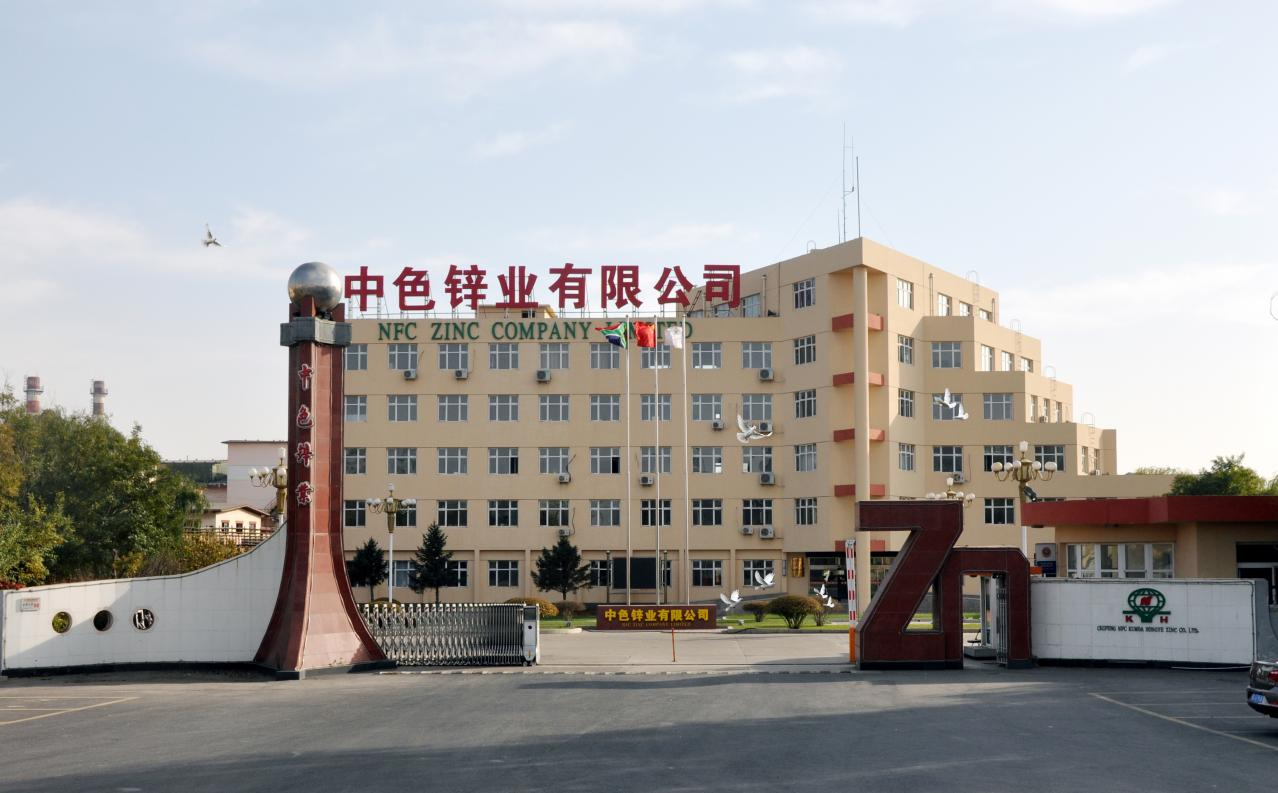
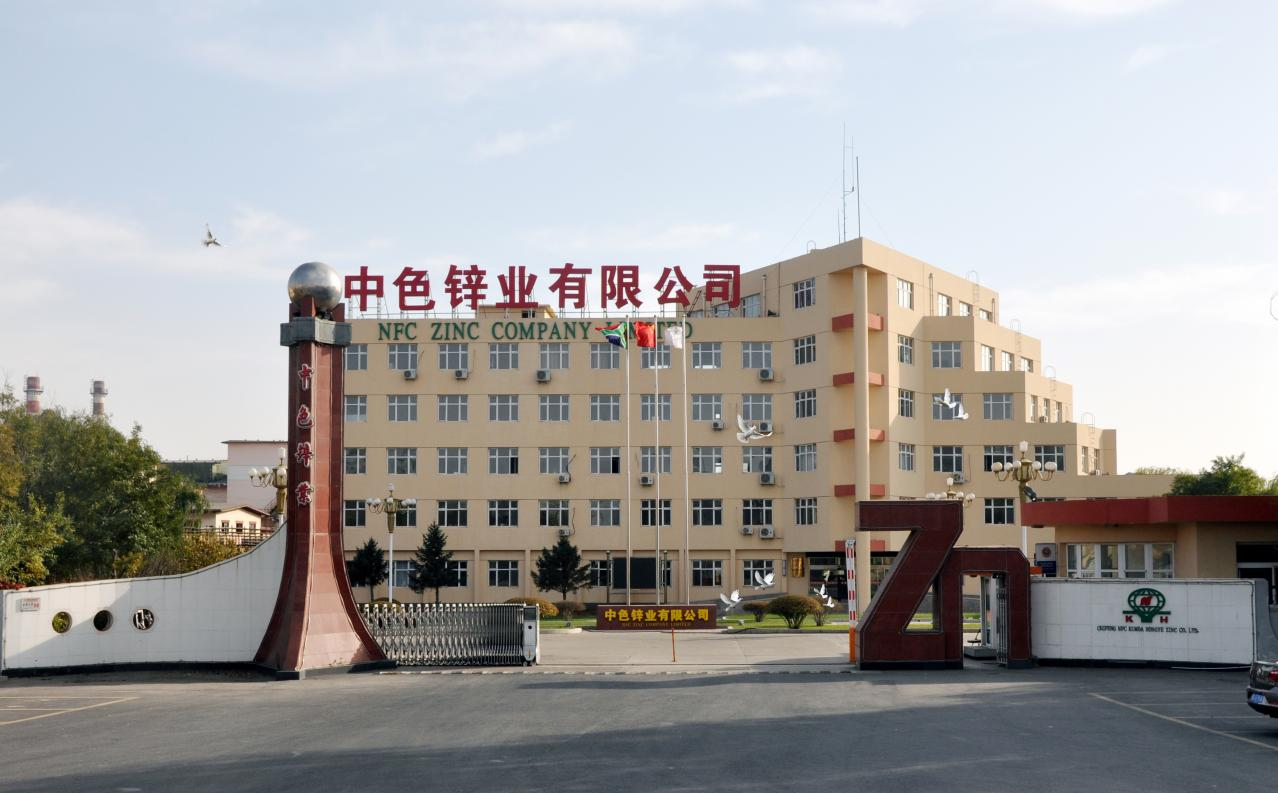
赤峰中色锌业有限公司是由世界500强企业中国有色矿业集团有限公司的出资企业——中国有色金属建设股份公司控股,南非库博公司等企业参股组建的一家国有控股的中外合资企业。年产锌产品22万吨,硫酸43万吨,从冶炼渣中综合回收金、银、铜、镉、钴等有价金属,总资产35亿元。
赤峰中色锌业有限公司前身是赤峰冶炼厂,企业最初生产规模为年产电解锌锭2.1万吨,硫酸3.6万吨。二十年来,公司以低成本战略为导向,正确处理改革、发展、稳定的关系,通过艰苦创业、改革创新、二次合资、三次扩建,走出了一条国有企业改革和发展的成功之路。企业规模跻身全国同行业前5名,其中附加值较高的锌合金产品产量位于国内同行业前3位,是国家工信部公布的全国同行业中第一批符合《铅锌行业准入条件》的八家企业之一。主要经济技术指标在全国同行业中连续保持领先地位。几年来,公司产品单位能源消耗低于《锌冶炼企业单位产品能耗消耗限额》先进值的标准。
公司采用自主研发的“热酸浸出—低污染沉矾除铁湿法炼锌新工艺”,其特点是安全、节能和环保。该工艺2001年被中国有色金属工业协会授予“中国有色金属工业科学技术一等奖”,2008年荣获国家发明专利。目前,该工艺已成为国内锌冶炼企业的主流工艺。
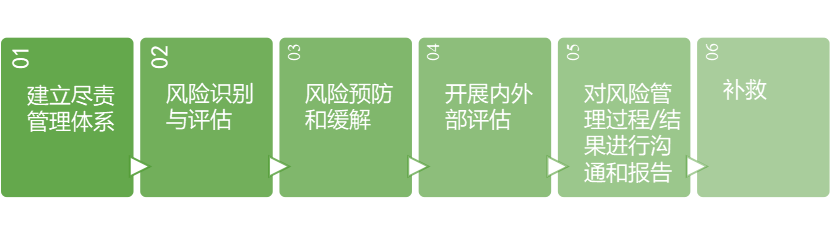
本章为中色锌业在本报告周期(2024年6月1日 - 2025年5月31日)开展的供应链尽责管理实践工作的简要概述,内容包括矿产供应链尽责管理的六个步骤,在参照《中国指南》和《OECD指南》中对于企业开展尽责管理工作的建议的基础上,根据公司实际情况,并结合上一次外部评估给出的《中国矿产供应链尽责管理指南》供应链尽责管理评估项目行动改进计划,对全公司的供应链尽责管理工作进行了相应的补充及完善,以提高中色锌业锌供应链尽责管理绩效与表现。
1. 供应链尽责管理政策
结合供应链尽责管理的实际需要,中色锌业建立了供应链尽责管理的体系,制定并批准实施了包括《锌供应链尽责管理政策》、《供应商行为守则》、《供应链尽责管理申诉办法》等尽责管理文件,其中《锌供应链尽责管理政策》已公开发布。
随着企业运营、供应链、所在地政府政策要求与其他业务关系中出现的变化,公司会定期审阅和更新尽责管理的相关政策。
2. 供应链尽责管理委员会
中色锌业设立了内部供应链尽责管理框架,成立了供应链尽责管理委员会,委员会由主任、委员、供应链尽责管理联合办公室、企业发展部、原料部、生产部等相关部门负责人组成。本报告周期内,由于公司人员变动,公司对于跨部门联合办公室的架构进行了更新和调整,以更好协同工作,共同建立和完善公司的供应链尽责管理体系,提升公司供应链尽责管理能力。
3. 供应链控制和透明度系统
公司建立了内部物料控制与追溯系统,以识别相应矿产供应链中的参与者、原产地信息、运输路线的信息,及按照所在国法律法规的要求向政府进行税费信息的披露等信息。公司目前的原料来自于国内外。在建立控制和透明度系统的过程中,公司开展警示信号审查,一旦发现触发了警示信号的情况,公司会进一步完善供应链控制和透明度系统,并按照指南建议,开展了更为全面的供应链信息追溯。
此外,公司对于供应链上位于采掘业透明度倡议成员国的供应商进行了审查,确认相关的供应商按照采掘业透明度倡议的要求进行了信息披露。
表1:供应链追溯信息
开展“警示信号审查”需搜集以下1-5项信息;对于触发“警示信号”的供应商需搜集以下1-12项信息: 1. 原料来源国和地区; 2. 上游参与者的名字和地址,包括矿区、当地贸易商、仓库、交易市场、冶炼厂、出口商、国际贸易商等; 3. 运输路线和运输方式; 4. 矿产或金属的商品名和类型; 5. 收集直接供应商和其他已知上游企业的所有权信息(包括实益所有信息) 对于触发“警示信号”的供应商还需搜集以下6-12项信息: 6. 为矿产开采、贸易、运输、出口而向政府支付的税金、费用或特许权使用费; 7. 为矿产开采、贸易、运输、出口而向政府官员支付的任何其他款项; 8. 自矿产开采开始,在供应链中所有环节向公共或私人安全部队或其他团体支付的所有税款和任何其他款项; 9. 出口商的所有权(包括受益所有权)和公司架构,包括公司管理人员和董事的姓名,以及其与政府或军队的隶属关系; 10. 矿山、开采量、日期和开采方式(例如手工和中小规模采矿或大规模采矿); 11. 矿产交易、冶炼、出口的地点; 12. 冶炼厂、贸易商的出口和进口文件。 |
公司提倡与供应商建立长期稳定的合作关系,建立与供应商常态的沟通机制,提高供应商履行负责任采购的意识,推动负责任供应链的建设。
公司将尽责管理的要求纳入供应商行为守则,向上游所有供应商传达了公司供应链尽责管理政策及供应商行为守则,并将尽责管理要求纳入责任合同条款文件中,确认供应商遵守与公司锌供应链尽责管理政策一致的供应商政策。公司在合作前也要求供应商填报《KYS问卷》,核查原料的来源并进行追溯评估,将尽责管理纳入到供应商合规要求,以增加对这些供应商的影响力。此外,一旦发现触发警示信号的供应商,公司将采取强化版尽责管理,开展实地评估,确认相关供应商的风险状况。
公司通过日常沟通交流、开展线上线下培训等多种形式,与供应商一起对供应链风险进行识别、预防和缓解,共同构建负责任采购供应链。
5. 申诉机制
公司充分尊重利益相关方的诉求,并深知与其建立沟通渠道的重要性。为了及时识别和处理供应链可能存在的助长冲突或人权侵害等风险,保障内外部利益相关方与本公司的顺畅沟通,公司建立了申诉机制并制定了详尽的《申诉管理办法》和申诉流程。
申诉机制提供了内外部利益相关方表达期望与诉求的渠道,同时也是建立尽责管理体系必不可少的组成部分。所有相关方均可通过申诉机制向公司反映存在的合理诉求,在任何情况下,我们均保证以独立、公正和客观的方式处理、调查、回复并归档所接收的申诉材料。
申诉途径已经官网公布,各相关方可查询。截止报告完成日,公司尚未收到申诉。
此外,公司参与中国五矿化工进出口商会的《采矿业和矿产价值链调解磋商机制》,以期有效地解决争议问题,加强各方的沟通、协调与合作,传递各方的诉求和期望,构建负责任、有韧性和可持续的矿产供应链。
公司定期开展风险识别和评估,评估可能变成重大事件的内外部新问题。公司开展警示信号审查,并制定《“受冲突影响和高风险区域(CAHRAs)”识别程序》,对开采、加工和出口的相关风险进行识别和评估,并根据审查结果确认供应链风险识别的范围。
表2:三类警示信号
1.矿产来自于“受冲突影响和高风险区域”(CAHRAs); 2.矿产运输路线经过“受冲突影响和高风险区域”; 3.矿产原产国为已知储存、预估储量或预期生产水平有限的国家(即宣称的来自该国的矿产的产量与其已知储量或预期生产水平不符); 4.矿产原产国实际上只是“受冲突影响和高风险区域”的中转国; 5.矿产来自多个回收渠道,且在“受冲突影响或高风险区域”进行加工; | |
供应商警示信号 | 1.供应商或其他上游企业在出现上述警示信号的地区开展经营活动,或是上述地区供应商的股东,或与之存在利益关系; 2.获知供应商或其他上游企业在过去十二个月内曾经从示警矿源地和中转地采购过矿产。 |
特定情况下的 警示信号 | 1.收集信息识别异常情况,判断与矿产有关的活动是否有可能助长冲突或者其他侵犯权利的行为; 2.无法判定矿产原产国和中转国的情况。 |
一旦在警示信号审查过程中发现警示信号,企业需对相应供应链的实际情况进行实地评估,开启强化版的尽责管理。
本报告周期内,公司发展了触发警示信号的供应链,因此公司制定了《实地评估控制程序》,并计划参考《OECD指南:上游企业风险评估指导》、《中国指南:附录三有关锡、钽、钨等矿产的实地评估指导》。
公司加入了行业联合实地评估计划,但由于沟通问题未能开展实地评估。目前公司开展实地评估替代方案对厄立特里亚的高风险供应商开展了桌面研究,了解到该矿山为机械化大规模开采矿山、运营规范,没有明确证据证明该矿山存在严重侵权风险、非国家武装团体风险、公共和私人安全武装风险、行贿受贿及矿产原产地的欺诈性失实陈述风险。
在此基础上,公司实施风险矩阵核查,综合开展风险识别和评估并编制了风险识别和评估报告。后续我司将继续和供应商保持积极联系,确保实地评估可以如期进行。
表3:风险评估参考的部分资料
为了提高“受冲突影响和高风险地区”识别评估的客观性,我们的评估同时参考了外部权威机构的公开信息,包括但不限于: 欧盟受冲突影响和高风险地区清单: https://www.cahraslist.net/cahras 联合国安理会制裁信息: https://scsanctions.un.org/consolidated/ 中国领事服务网:https://cs.mfa.gov.cn/ 世界银行“世界治理指数”:http://info.worldbank.org/governance/wgi/index.aspx#home |
风险管理的目的在于创造财务业绩,为社会做出积极的贡献,以负责、透明、尊重他人的方式创造长远的价值,维护利益相关方的利益。公司的目标是更好地预测、了解、控制并在合理可行的情况下消除重大不良事件。
1. 加强公司风险管理
中色锌业建立了“风险预防为主”的原则,这一原则体现在全面的内控措施上。内控措施具体包括一系列控制程序,例如《禁止使用强迫劳动管理程序》、《禁止使用童工和补救控制程序》、《非国家武装力量及其关联方的识别过程》等,帮助公司部门具体实施和执行矿产供应链尽责管理。
2. 制定风险管理计划
我们根据步骤二风险识别与评估中发现的情况,制定了《风险管理计划》以预防和缓解供应链风险。针对触发警示信号的供应商,公司特别制定风险管理计划,与同行业企业沟通,咨询外部利益相关方意见,以期在12个月内完成实地评估,在桌面研究的基础上,进一步识别供应链的风险信息。在实际生产运营的过程中,一旦识别到供应链可能存在风险,我们会调查事实并向供应链尽责管理委员会和高级管理者报告供应链的风险调查结果和尽责管理体系运行有效性的监测结果,确定风险存在的版块并开展风险缓解措施。
3. 利益相关方的沟通和合作
我们在制定风险管理计划时,充分征询供应商和受影响的利益相关方意见,就风险管理计划中的风险缓解策略达成一致,并为利益相关方提供充足时间对风险管理计划进行评议和反馈。公司认真对待并及时处理各方的疑虑,也持续与供应链上各个利益相关方合作,共同推动风险的缓解。
4. 风险跟踪和监测
确立《风险管理计划》后,我们定期核查、跟踪风险缓解策略的效果,如果风险出现重大变化会及时调整风险管理的方案,持续对风险进行监测及补充评估,确保风险有效缓解。公司持续记录并运用风险管理的经验教训。
5. 意识和能力提升
公司定期开展矿产供应链尽责管理培训,邀请内部培训师或者外部专家开展尽责管理体系的培训,举办供应链尽责管理、风险管控等相关专题的培训,提升公司上下整体供应链尽责管理水平,并对开展的培训活动填写培训记录模板留档。
表4:风险缓解策略
风险缓解策略: 1. 在缓解重大风险的过程中继续交易; 2. 在持续缓解重大风险的过程中暂时中止交易; 3. 如果缓解风险的努力失败,或企业认为无法缓解风险,或风险无法接受,则终止和供应商的合作关系。 |
我们高度重视每场审核和评估,总结问题点和风险点,制定改进计划并监督实施效果,提高供应链尽责管理绩效表现。
公司建立了内部评估工作计划,对尽责管理绩效进行持续的监督和管理。供应链尽责管理联合办公室每年开展内部评估,总结问题点和风险点,制定改进计划并监督实施效果,以更好地推动供应链尽责管理。
公司参与五矿化工进出口商会关于《中国指南》的评估,响应矿产供应链尽责管理的要求,满足利益相关方对供应链合规、透明的期待。公司在上一年度的评估中获得“A”等级,摘要评估报告已经在五矿商会网站上公开(1adcdf4636194757942748188b784bef.pdf)。公司将持续接受外部评估,满足各利益相关方的期待。
发布供应链尽责管理报告是与利益相关方增进了解与信任的有效途径。公司定期更新并公开尽责管理进展报告,各相关方可查阅年度《供应链尽责管理进展报告》。我们诚挚欢迎各界对我司供应链尽责管理工作提出建议。
进展报告由供应链尽责管理联合办公室牵头,各个业务部门参与共同编制,报告大纲、内容、材料均应由管理部门和业务部门共同确定或收集,多部门参与对于供应链合规进展报告的实质性、有效性、可信度发挥至关重要的作用。
按照《中国指南》,并参考《OECD指南》,进展报告重点陈述公司尽责管理体系建设和实践的内容,以推动必要的信息公开、提高供应链透明度。
补救不是尽责管理过程的组成部分,而是尽责管理中需提供条件并支持的一个单独的关键过程
在报告期内,公司未发生需要采取措施进行补救的事件。
About this report
Compilation Subject
This report is prepared by Chifeng China Color Zinc Industry Co., Ltd. For ease of presentation and ease of reading, it is also referred to as "China Color Zinc Industry", "Company" or "We" in this report.
Compilation scope
This report includes the company's mineral supply chain due diligence management system, risk identification and assessment, risk prevention and mitigation, internal and external assessment, reporting and other due diligence management steps. Typically, due diligence reports cover 12 months of relevant information and data. This report has been adjusted to accommodate the external audit cycle and covers the company's supply chain due diligence activities from January 2023 to May 2024. In addition, based on the continuity of the report, some of the content and data are appropriately traced back to other significant years and are not limited to the above time frame.
Preparation basis
The company is based on the "Guidelines for Due Diligence Management of China's Mineral Supply Chain (Second Edition)" issued by the China Chamber of Commerce for Import and Export of Minmetals and Chemicals (CCCMC), the "Guidelines for Responsible Supply Chain Due Diligence for Ores from Conflict-Affected and High-Risk Areas" issued by the Organization for Economic Cooperation and Development (OECD), and the "United Nations Guiding Principles Reporting Framework" are compiled.
Release cycle
The Company's Supply Chain Due Diligence Progress Report is published annually and available for public review. The company will update this report regularly, and we sincerely welcome suggestions and comments on our supply chain due diligence.
COPYRIGHT NOTICE
This report is copyrighted by Chifeng Zhongcolor Zinc Industry Co., Ltd.
Supply chain due diligence practices
Step 1 to establish a due diligence management system
Step 2 Risk Identification and Assessment
Steps to 3 risk prevention and mitigation
Steps 4 internal and external assessments
Steps 5 communicating and reporting on risk management processes and results
Step 6 Provide conditions or cooperate to remedy in due time
About Us
Chifeng China Color Zinc Industry Co., Ltd. is a state-controlled Sino-foreign joint venture established by China Nonferrous Metals Construction Co., Ltd., a capital-funded enterprise of China Nonferrous Mining Group Co., Ltd., one of the world's top 500 companies, and South Africa's Cooper Company and other companies. With an annual output of 220000 tons of zinc products and 430000 tons of sulfuric acid, valuable metals such as gold, silver, copper, cadmium and cobalt are comprehensively recovered from smelting slag, with a total assets of 3.5 billion yuan.
The predecessor of Chifeng Zhongse Zinc Industry Co., Ltd. was Chifeng Smelter. The initial production scale of the enterprise was 21000 tons of electrolytic zinc ingots and 36000 tons of sulfuric acid per year. In the past two decades, the company has been guided by a low-cost strategy and correctly handled the relationship between reform, development, and stability. Through hard work, reform and innovation, secondary joint ventures, and three expansions, it has embarked on a successful road to the reform and development of state-owned enterprises. The scale of the enterprise ranks among the top five in the same industry in China, among which the output of zinc alloy products with higher added value ranks among the top three in the same industry in China. It is one of the first batch of eight enterprises in the same industry in China to meet the access conditions for lead and zinc industry announced by the Ministry of industry and information technology. The main economic and technical indicators in the same industry in the country to maintain a leading position. Over the past few years, the company's product unit energy consumption is lower than the "zinc smelting enterprises unit product energy consumption limit" advanced value of the standard.
The company adopts the independent research and development of "hot acid leaching-low pollution precipitation alum in addition to iron wet zinc smelting new process", which is characterized by safety, energy saving and environmental protection. The process was awarded the "First Prize of Science and Technology of China Nonferrous Metals Industry" by China Nonferrous Metals Industry Association in 2001 and won the national invention patent in 2008. At present, the process has become the mainstream process of domestic zinc smelting enterprises.
Supply chain due diligence practices
This chapter is a brief overview of the supply chain due diligence management practice carried out by China Zinc Industry in this report cycle (June 1, 2024-May 31, 2025). The content includes the six steps of the due diligence management of the mineral supply chain. Based on the suggestions for enterprises to carry out due diligence management in China Guide and OECD Guide, and according to the actual situation of the company, combined with the action improvement plan of the "China Mineral Supply Chain Due Diligence Management Guide" given by the last external evaluation, the supply chain due diligence management of the whole company has been supplemented and improved to improve the performance and performance of the supply chain due diligence management of the zinc industry.
Step 1 to establish a due diligence management system
1. Supply Chain Due Diligence Policy
Combined with the actual needs of supply chain due diligence management, China Zinc Industry has established a supply chain due diligence management system, formulated and approved the implementation of due diligence management documents including "Zinc Supply Chain Due Diligence Management Policy", "Supplier Code of Conduct" and "Supply Chain Due Diligence Management Appeal Measures", among which "Zinc Supply Chain Due Diligence Management Policy" has been publicly released.
As changes occur in business operations, supply chains, local government policy requirements and other business relationships, the Company regularly reviews and updates its policies on due diligence.
2. Supply Chain Due Diligence Committee
China Zinc has set up an internal supply chain due diligence management framework and a supply chain due diligence management committee, which is composed of directors, members, joint office of supply chain due diligence management, enterprise development department, raw materials department, production department and other relevant departments. During the reporting cycle, due to changes in the company's personnel, the company has updated and adjusted the structure of the cross-departmental joint office to better work together to establish and improve the company's supply chain due diligence management system and enhance the company's supply chain due diligence management capabilities.
3. Supply chain control and transparency systems
The company has established an internal material control and traceability system to identify participants in the corresponding mineral supply chain, information on origin, transportation routes, and disclosure of tax and fee information to the government in accordance with the laws and regulations of the host country. The company's current raw materials come from home and abroad. In the process of establishing the control and transparency system, the company conducts a warning signal review, and once it finds that the warning signal is triggered, the company will further improve the supply chain control and transparency system, and carry out a more comprehensive supply chain information traceability as recommended in the guidelines.
In addition, the company conducted a review of suppliers in the supply chain located in the EITI member countries and confirmed that the relevant suppliers had made disclosures in accordance with the EITI requirements.
Table 1: Supply Chain Traceability Information
The following 1-5 items of information shall be collected to carry out the "warning signal review"; for the supplier triggering the "warning signal", the following 1-12 items of information shall be collected: 1. Raw material source country and region; 2. Names and addresses of upstream participants, including mining areas, local traders, warehouses, trading markets, smelters, exporters, international traders, etc; 3. Transportation routes and modes; 4. Trade name and type of mineral or metal; 5. Collect ownership information (including all beneficial information) of direct suppliers and other known upstream enterprises The supplier shall also collect the following 6-12 items of information for triggering the "warning signal: 6. Taxes, fees or royalties paid to the Government for the exploitation, trade, transport or export of minerals; 7. any other payments made to government officials for the mining, trade, transport, export of minerals; 8. All taxes and any other payments made to public or private security forces or other groups at all points in the supply chain since the start of mining; 9. The ownership (including beneficial ownership) and corporate structure of the exporter, including the names of the company's officers and directors, and its affiliation with the government or military; 10. Mines, quantities, dates and methods of mining (e. g. artisanal and small-scale mining or large-scale mining); 11. The location of mineral trading, smelting and export; 12. export and import documents for smelters, traders. |
4. Strengthen cooperation with suppliers
The company advocates the establishment of long-term and stable cooperative relations with suppliers, the establishment of a normal communication mechanism with suppliers, improve the awareness of suppliers to perform responsible procurement, and promote the construction of a responsible supply chain.
The Company incorporated due diligence requirements into the Supplier Code of Conduct, communicated the Company's Supply Chain Due Diligence Policy and Supplier Code of Conduct to all upstream suppliers, and incorporated due diligence requirements into the liability contract terms document to confirm that suppliers comply with supplier policies consistent with the Company's Zinc Supply Chain Due Diligence Policy. The company also requires suppliers to fill in the KYS questionnaire before cooperation, verify the source of raw materials and conduct retrospective evaluation, and incorporate due diligence management into supplier compliance requirements to increase influence on these suppliers. In addition, once the supplier that triggers the warning signal is found, the company will adopt an enhanced version of due diligence management and conduct on-site assessments to confirm the risk status of the relevant supplier.
Through daily communication, online and offline training and other forms, the company identifies, prevents and mitigates supply chain risks with suppliers to jointly build a responsible procurement supply chain.
5. Grievance mechanism
The company fully respects the demands of stakeholders and understands the importance of establishing communication channels with them. In order to promptly identify and address risks such as conflict or human rights violations that may exist in the supply chain, and to ensure smooth communication between internal and external stakeholders and the Company, the Company has established a grievance mechanism and developed a detailed grievance management approach and grievance process.
The complaint mechanism provides a channel for internal and external stakeholders to express their expectations and demands, and is also an essential part of the establishment of a due diligence management system. All relevant parties can reflect reasonable claims to the company through the complaint mechanism. In any case, we guarantee to handle, investigate, respond to and file the complaint materials received in an independent, fair and objective manner.
The complaint channel has been announced on the official website, and all relevant parties can inquire. As of the report completion date, the company has not received a complaint.
In addition, the company participates in the "Mining and Mineral Value Chain Mediation and Consultation Mechanism" of the China Minmetals and Chemicals Import and Export Chamber of Commerce, with a view to effectively resolving disputes, strengthening communication, coordination and cooperation between all parties, conveying the demands and expectations of all parties, and building a responsible, resilient and sustainable mineral supply chain.
Step 2 Risk Identification and Assessment
The company regularly conducts risk identification and assessment to assess new internal and external issues that may become major events. The company conducts a warning signal review and develops a "Conflict-Affected and High-Risk Areas (CAHRAs)" identification procedure to identify and assess the risks associated with mining, processing and export, and to confirm the scope of supply chain risk identification based on the results of the review.
Table 2: Three types of warning signals
Mineral Source and Transport Route Warning Signals | 1. Minerals from "conflict-affected and high-risk areas" (CAHRAs); 2. Mineral transport routes through "conflict-affected and high-risk areas"; 3. The country of origin of the mineral is a country with limited known reserves, estimated reserves or expected production levels (I. e. the declared production of the mineral from that country does not match its known reserves or expected production levels); 4. The country of origin of the mineral is in fact only a transit country for "conflict-affected and high-risk areas; 5. Minerals come from multiple recycling sources and are processed in "conflict-affected or high-risk areas; |
Vendor Warning Signal | 1. Suppliers or other upstream enterprises carry out business activities in the areas where the above warning signals appear, or are shareholders of suppliers in the above-mentioned areas, or have interests with them; 2. Informed that the supplier or other upstream enterprise has purchased minerals from the warning source and transit sites within the past twelve months. |
under specific circumstances Warning signal | 1. Gather information to identify anomalies and determine whether mineral-related activities are likely to contribute to conflict or other rights violations; 2. It is not possible to determine the situation of the country of origin and transit of the mineral. |
Once the warning signal is found during the warning signal review process, the company needs to conduct a field assessment of the actual situation of the corresponding supply chain and start an enhanced version of due diligence management.
During this reporting cycle, the company has developed a supply chain that triggers warning signals, so the company has developed a Field Assessment Control Procedure and plans to refer to the OECD Guidance: Upstream Enterprise Risk Assessment Guidance, China Guidance: Appendix 3 Guidance on Field Assessment of Tin, Tantalum, Tungsten and Other Minerals.
The company joined the industry joint field assessment program, but was unable to conduct a field assessment due to communication issues. The Company is currently conducting a field assessment of alternatives to a desktop study of high-risk suppliers in Eritrea and has learned that the mine is a mechanized large-scale mine, operating standard, and that there is no clear evidence of serious infringement risk, non-state armed group risk, public and private security armed risk, bribery and fraudulent misrepresentation of the origin of the minerals.
On this basis, the company implements risk matrix verification, comprehensively carries out risk identification and assessment and prepares risk identification and assessment reports. In the future, our company will continue to maintain active contact with suppliers to ensure that the field assessment can be carried out as scheduled.
Table 3: Partial information referenced by the risk assessment
In order to improve the objectivity of the "conflict-affected and high-risk areas" identification assessment, our assessment also refers to publicly available information from external authorities, including but not limited: List of conflict-affected and high-risk areas in the EU https:// www.cahraslist.net/cahras UN Security Council Sanctions https:// scsanctions.un.org/consolidated/ Chinese Consular Service Network: https://cs.mfa.gov.cn/ The World Bank's World Governance Index http:// info.# home List of countries in the Great Lakes region: https:// www./ |
Steps to 3 risk prevention and mitigation
The purpose of risk management is to create financial performance, make a positive contribution to society, create long-term value in a responsible, transparent and respectful manner, and safeguard the interests of stakeholders. The Company's goal is to better predict, understand, control and, where reasonably practicable, eliminate material adverse events.
1. Strengthen corporate risk management
China Color Zinc has established the principle of "risk prevention first", which 1 reflected in the comprehensive internal control measures. Internal control measures specifically include a series of control procedures, such as the Management Procedures for the Prohibition of the Use of Forced Labor, the Control Procedures for the Prohibition of the Use of Child Labor and Remedial Control Procedures, and the Identification Process for Non-State Armed Forces and Their Affiliates, to help the corporate sector implement and enforce due diligence in the mineral supply chain.
2. Develop a risk management plan
We developed a Risk Management Plan to prevent and mitigate supply chain risks based on the findings from the Step 2 Risk Identification and Assessment. For suppliers that trigger warning signals, the company specifically develops a risk management plan, communicates with companies in the same industry, and consults with external stakeholders with a view to completing field assessments within 12 months to further identify supply chain risk information based on desktop research. In the process of actual production and operation, once it is identified that there may be risks in the supply chain, we will investigate the facts and report the risk investigation results of the supply chain and the monitoring results of the operation effectiveness of the due diligence system to the supply chain due diligence management committee and senior managers, determine the sections where the risks exist and carry out risk mitigation measures.
3. Stakeholder Communication and Cooperation
When developing the risk management plan, we fully consult suppliers and affected stakeholders, agree on risk mitigation strategies in the risk management plan, and provide stakeholders with sufficient time to comment and feedback on the risk management plan. The company takes all concerns seriously and addresses them in a timely manner, and continues to work with various stakeholders in the supply chain to jointly promote risk mitigation.
4. Risk tracking and monitoring
After establishing the Risk Management Plan, we regularly verify and track the effectiveness of risk mitigation strategies, and if there are significant changes in risk, we will adjust the risk management plan in a timely manner, and continuously monitor and supplement the risk assessment to ensure effective risk mitigation. The company continues to document and apply lessons learned from risk management.
5. Awareness and ability enhancement
The company regularly carries out due diligence management training for mineral supply chain, invites internal trainers or external experts to carry out due diligence management system training, holds training on supply chain due diligence management, risk control and other related topics, improves the overall supply chain due diligence management level of the company, and fills in the training record template for the training activities to be carried out.
Table 4: Risk Mitigation Strategies
Risk Mitigation Strategies: 1. continue to trade while mitigating significant risk; 2. temporarily suspend the transaction in the process of continuing to mitigate significant risks; 3. If efforts to mitigate the risk fail, or if the enterprise believes that the risk cannot be mitigated, or the risk is unacceptable, the partnership with the supplier is terminated. |
Steps 4 internal and external assessments
We attach great importance to each audit and evaluation, summarize the problem points and risk points, formulate improvement plans and monitor the implementation effect, and improve the performance of supply chain due diligence management.
The company has established an internal evaluation work plan to continuously monitor and manage due diligence performance. The Joint Office of Supply Chain Due Diligence conducts annual internal assessments to summarize problem points and risks, develop improvement plans and monitor implementation results to better promote supply chain due diligence.
The company participated in the evaluation of the China Guide by the Chamber of Commerce for Import and Export of Minmetals and Chemicals, responded to the requirements of due diligence management of the mineral supply chain, and met the expectations of stakeholders for supply chain compliance and transparency. The company received an "A" rating in the previous year's assessment, and the summary assessment report has been published on the Minmetals Chamber of Commerce website (1 adcdf4636194757942748188b784bef.pdf ). The company will be subject to continuous external evaluation to meet the expectations of various stakeholders.
Steps 5 communicating and reporting on risk management processes and results
Publishing a supply chain due diligence report is an effective way to build understanding and trust with stakeholders. The Company regularly updates and makes public the Due Diligence Management Progress Report, and all relevant parties may refer to the annual Supply Chain Due Diligence Management Progress Report. We sincerely welcome suggestions on our supply chain due diligence.
The progress report is led by the Joint Office of Supply Chain Due Diligence Management, and all business departments participate in the preparation of the report. The outline, content and materials of the report should be jointly determined or collected by the management department and the business department. Multi-departmental participation plays a vital role in the materiality, effectiveness and credibility of the supply chain compliance progress report.
In accordance with the China Guidelines and with reference to the OECD Guidelines, the progress report focuses on the construction and practice of the company's due diligence management system to promote the necessary information disclosure and improve supply chain transparency.
Step 6 Provide conditions or cooperate to remedy in due time
Remediation is not an integral part of the due diligence process, but a separate key process that needs to be provided and supported in due diligence
During the reporting period, the Company did not have any incidents that required remedial action.